Owning or renting a property during winter brings a very real challenge: keeping your plumbing safe when temperatures drop. Frozen pipes do not just interrupt water flow. If they burst, they can trigger serious water damage that is costly and stressful to fix.
Knowing the warning signs of frozen pipes and understanding how to recover from them can be the difference between a minor inconvenience and thousands of dollars in repairs. But this raises the most important question homeowners face in cold weather: how do you know if your pipes are frozen?
This guide walks you through how to identify frozen pipes, the most common frozen pipe symptoms to watch for, and exactly what to do when pipes are frozen so you can protect your home before the situation spirals.
Why Do Pipes Freeze?
Pipes freeze when exposed to prolonged cold temperatures, especially when the water sitting inside them is not moving. In particular, pipes become vulnerable when temperatures fall below 32 degrees Fahrenheit for more than three hours, especially when the power goes out.
Pipes located in unheated spaces are the most at risk. Attics, basements, garages, crawl spaces, and exterior walls with little insulation all expose plumbing to colder air, making those lines far more likely to freeze than pipes running through interior, climate-controlled areas.
Why Frozen Pipes Are Dangerous
The first sign of a problem is usually a drop in water pressure or no water at all. But the real danger is not the freeze itself. It is what happens next.
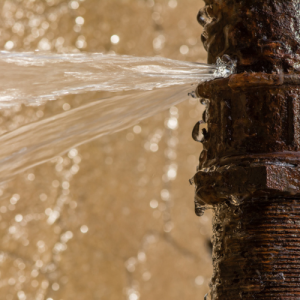
Water expands as it turns to ice, and that expansion creates intense pressure inside your pipes. When that pressure becomes too great, the pipe bursts. A burst pipe can introduce serious water damage to your walls, floors, and belongings, and in severe cases it can release ankle-deep water into your home within minutes. Repair costs from a single burst pipe can run into the thousands.
The good news is that frozen pipes often give you warning before they burst. Recognizing those signs early gives you a real chance to act before major damage sets in.
How Do You Know if Your Pipes Are Frozen: Frozen Pipe Symptoms To Look Out For
Catching these warning signs early can save you from extensive water damage, mold growth, and the disruption of dealing with a burst pipe.
1. Little to No Running Water
The most straightforward sign of a frozen pipe is reduced or completely absent water flow from your faucets. If you turn on the tap and only a weak trickle comes out, there is a strong chance that ice has formed somewhere in the line.
During cold weather, pay close attention to how consistently your water flows. Catching this early gives you the best chance to thaw the pipe before it bursts.
2. Cracked or Bulging Pipes
Take a close look at any exposed plumbing. When water freezes inside a pipe, it expands and can cause visible cracks or bulges along the pipe’s surface. Check pipes in your basement, crawl space, and under sinks for any deformities. The earlier you spot physical damage, the easier it is to address before a full rupture occurs.
3. Visible Frost or Condensation on Pipes
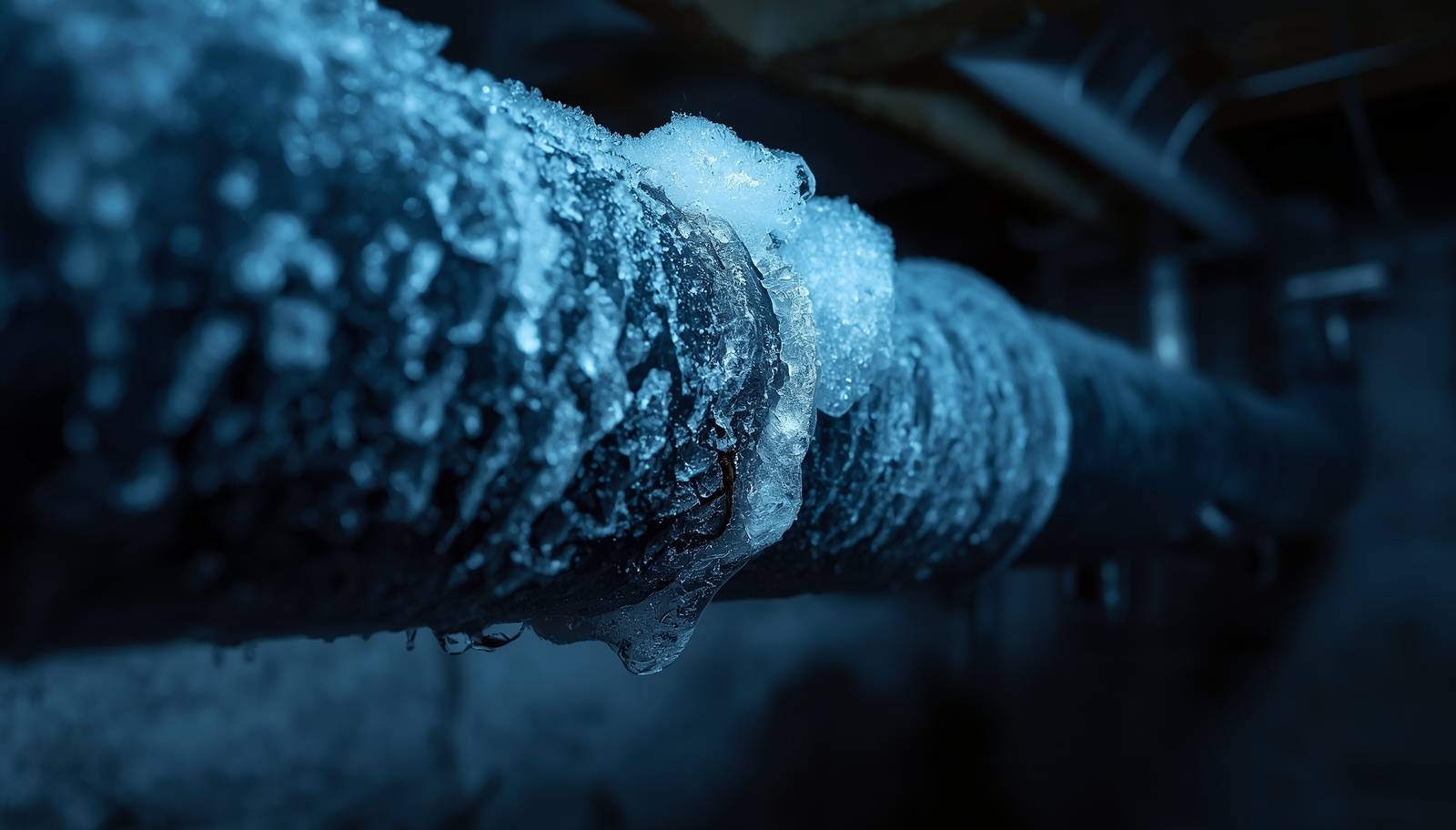
Frost or condensation forming on the outside of a pipe is a clear visual cue that the line is being exposed to extremely low temperatures and that the water inside may already be freezing. Any pipe showing this kind of external buildup should be treated as a priority.
4. Gurgling Sounds
Unusual sounds from your plumbing are worth taking seriously. Gurgling or bubbling noises when you use faucets or flush toilets can mean that chunks of ice are partially blocking the water’s path through your pipes. This is often one of the earliest signs that a freeze is developing.
5. Foul Odors From the Drain or Faucet
Frozen pipes can block normal drainage, causing wastewater to back up and produce unpleasant smells. If you notice foul odors coming from drains or faucets, trapped waste from a frozen blockage may be the cause. Addressing the frozen pipe quickly eliminates the odor and prevents backups from making the situation worse.
6. Water Damage on Walls and Ceilings
Water stains, unusual discoloration, and warping on your walls or ceilings can all point to a pipe that has already burst or is leaking behind the surface. Catching this type of water damage early reduces the scope of repairs and the risk of mold developing in the affected areas.
What To Do When Pipes Are Frozen
It is possible to thaw frozen pipes on your own if you act carefully. Applying gentle heat to the affected section using a hair dryer, heat tape, or a portable space heater can work well. Always avoid open flames, as they create a serious fire hazard and can damage the pipe itself.
If your thawing attempts are not working, you cannot locate where the freeze is, or the pipe has already burst, stop and call a professional immediately. A certified restoration team has the tools and expertise to resolve the issue safely without making it worse.
How To Tell If Frozen Pipes Burst
Not all frozen pipes burst. Copper pipes are the most prone to rupturing under the pressure of freezing water, while PEX, PVC, and other plastic pipes are sometimes more flexible. Still, any type of pipe can fail, and recognizing the signs of a burst early is critical to limiting damage.
Here are five steps to help you determine whether a frozen pipe has already burst in your home.
1. Inspect Your Home for Signs of Water Damage
Water stains, bubbling paint, discoloration, and warping on walls, ceilings, or floors are all telltale signs that water has escaped from a pipe somewhere nearby. The sooner you spot these signs, the sooner you can take action to minimize structural damage.
2. Turn On Your Faucets and Check for Smells or Discoloration
Run water through your faucets and watch for any unusual color or odor. Rusty or foul-smelling water can mean that contaminants have entered your water supply through a crack or break in the pipe. If the water looks or smells off, stop using it and contact a professional right away.
3. Check Your Water Meter and Water Pressure
Turn off every water source in your home and then check your water meter. If the meter continues to move even with everything shut off, you likely have an active leak from a burst pipe somewhere in the system. Low water pressure throughout the house is another strong indicator that a pipe has been compromised and needs immediate attention.
4. Check Your Property for Any Unusual Water Buildup
Walk the exterior of your property and look for unexpected water pooling in your yard, driveway, or along the foundation. A buried burst pipe can push water to the surface in ways that are not immediately obvious from inside the house. Finding these external signs quickly helps narrow down where the break is.
5. Watch Out for Increasing Mold in Your Home
Mold grows fast in damp conditions, and a burst pipe creates exactly the kind of hidden moisture that mold thrives on. If you notice mold appearing in new areas of your home, especially near walls or ceilings that were previously dry, water intrusion from a burst pipe may already be underway.
What To Do When a Frozen Pipe Bursts
A burst pipe is stressful, but staying calm and acting in the right order makes a significant difference in how much damage your home sustains.
1. Shut Off the Water Supply
The very first thing you should do when a pipe bursts is find your main water shut-off valve and turn it off. This valve is usually located in the basement, garage, or near where the main water line enters your home. Stopping the flow immediately limits how much water can enter the structure.
2. Turn On the Faucets
After shutting off the main supply, open the faucets connected to the affected pipe. This releases any remaining pressure in the line and allows residual water to drain out rather than continue spreading through the walls or floors.
3. Take Electrical Precautions
Before touching anything else, check whether water has reached any electrical outlets, appliances, or your breaker box. If there is any chance water has made contact with your electrical system, turn off the power at the breaker immediately. Water and electricity together are a life-threatening combination.
4. Remove Standing Water
Start removing standing water as quickly as possible. The longer water sits on floors and against walls, the deeper the damage goes. Mop up what you can by hand and use a wet vacuum if one is available to pull out water from carpets and hard surfaces.
5. Move Personal Items
Get valuables out of the affected area fast. Furniture, rugs, electronics, documents, and other belongings should be moved to a dry part of the home before water has a chance to saturate them.
6. Dry Out and Ventilate the Area
Open doors and windows to get air circulating through the affected space. If it is safe to use electricity, set up fans and dehumidifiers to speed up drying. The faster you remove moisture from the air and surfaces, the lower the risk of mold developing within 24 to 48 hours.
7. Get Help From Professionals
Once the immediate situation is under control, call in a professional water damage restoration team. Certified technicians can assess the full scope of the damage, dry out your property thoroughly, sanitize affected areas, and prevent secondary problems like mold growth from taking hold.
Restless Restoration Is Here To Help You Recover From Frozen or Burst Pipes in Miami, FL
Cold snaps and winter storms are a real threat to your plumbing, even in South Florida. Knowing the warning signs of frozen pipes and understanding what to do when pipes are frozen can protect your property from serious and expensive water damage. The key is to act quickly and not wait until a small problem becomes a large one.
If a burst pipe has already caused damage to your home, Restless Restoration is ready to help. We serve Miami, FL with 24/7 emergency water damage restoration services, and our team is equipped to handle water damage, mold, sewage, and hurricane storm flood damage of any scale. Contact us today or find us on Google and let us help you get your home back to normal as quickly as possible.